Roofing is one of the most physically demanding and potentially hazardous jobs in the trades. Whether performing inspections, repairs, or full replacements, safe footing and proper fall protection are non-negotiable. Every movement on a roof should reflect an awareness of risk — and a commitment to industry best practices.
The Occupational Safety and Health Administration (OSHA) sets clear regulations for fall protection, ladder use, and overall jobsite safety.
Key guidelines include:
Fall Protection: Required for any work at heights of six feet or more, using certified harness systems, guardrails, or nets.
Ladder Safety: Ladders must extend at least three feet above the landing surface and be secured to prevent shifting.
Surface Conditions: Avoid working on wet, icy, or windy roofs whenever possible. Slippery surfaces dramatically increase fall risk.
Training Requirements: Every worker must receive formal training to identify and control height-related hazards.
Compliance is more than a box to check — it’s the foundation of a safe and professional roofing operation.
Even with proper PPE and training, maintaining reliable traction underfoot is vital for stability and confidence. Roof surfaces vary widely — from asphalt shingles to metal panels — each presenting unique friction challenges. Dust, debris, or early-morning dew can quickly reduce grip and control.
That’s why many tradespeople pay close attention to the traction and comfort of their work footwear.
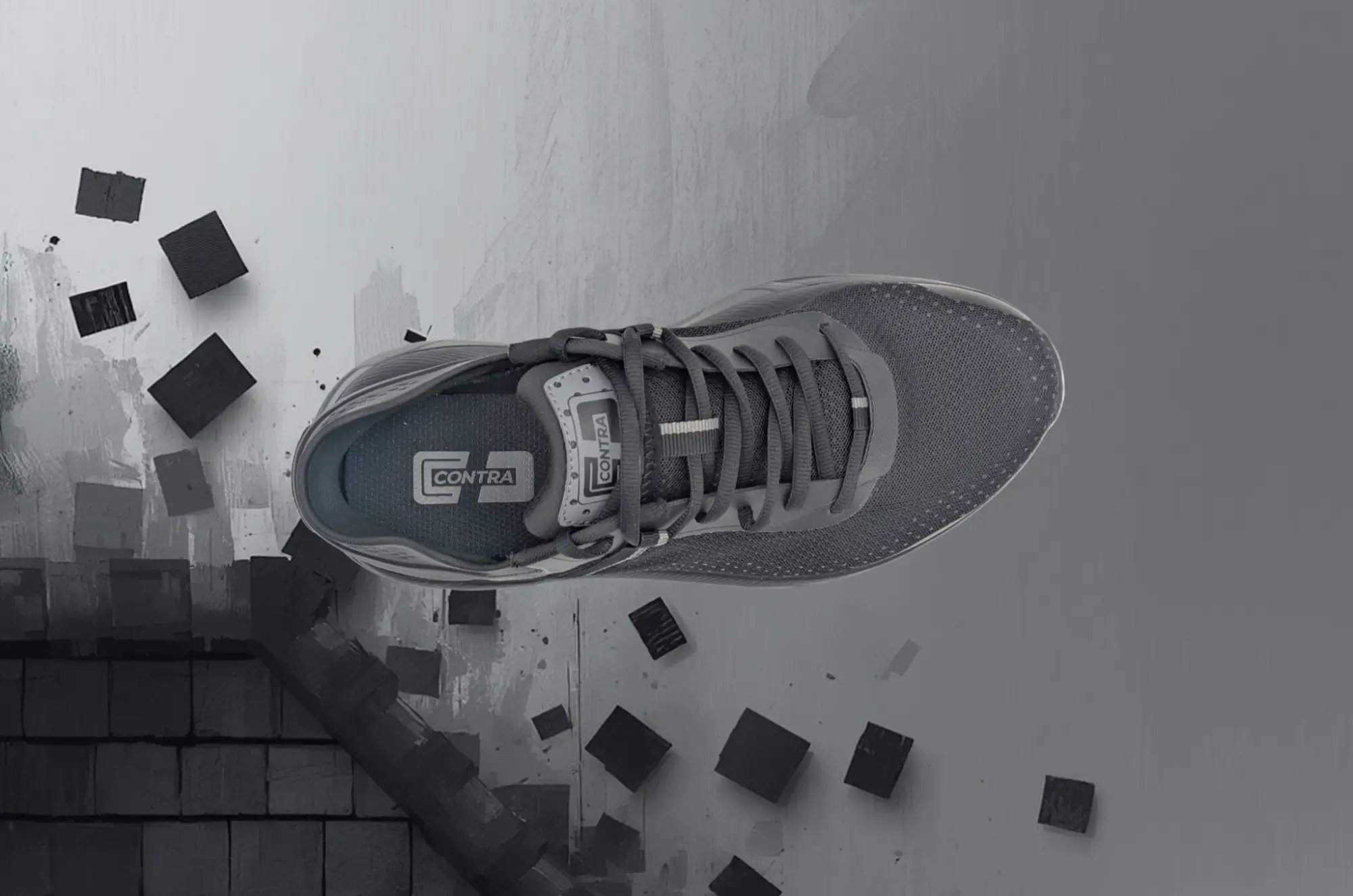
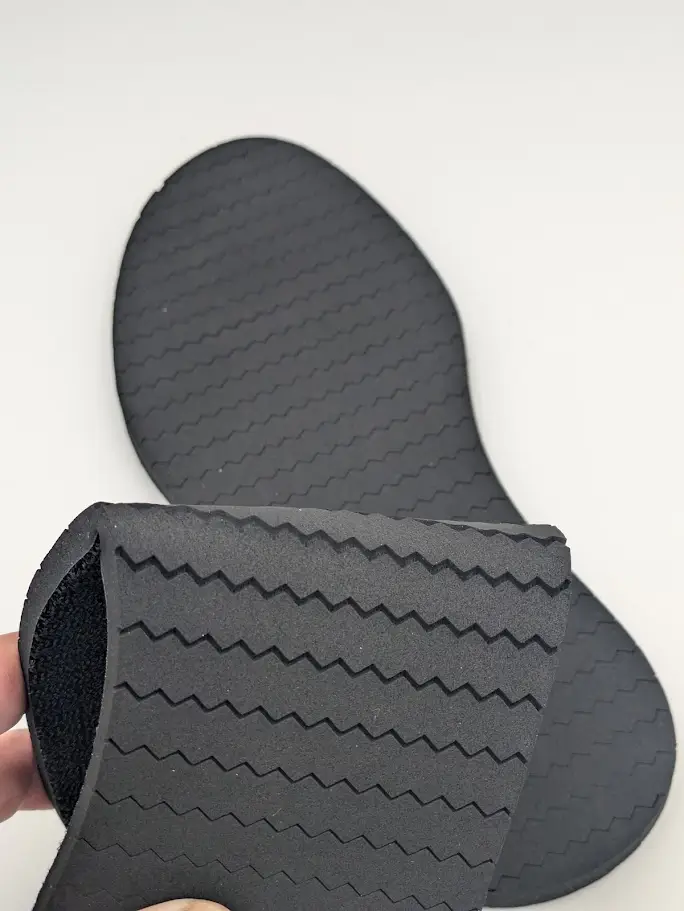
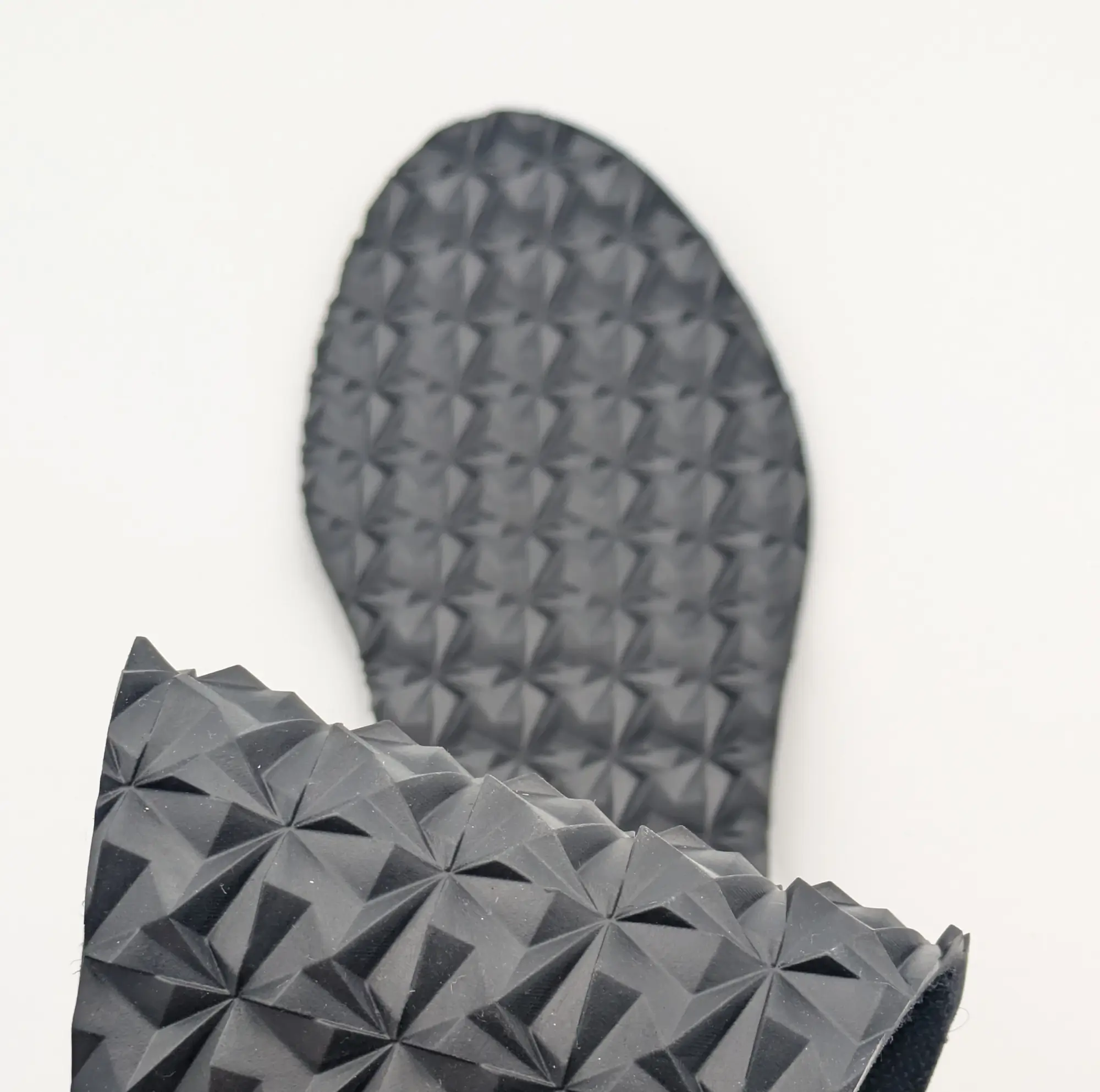
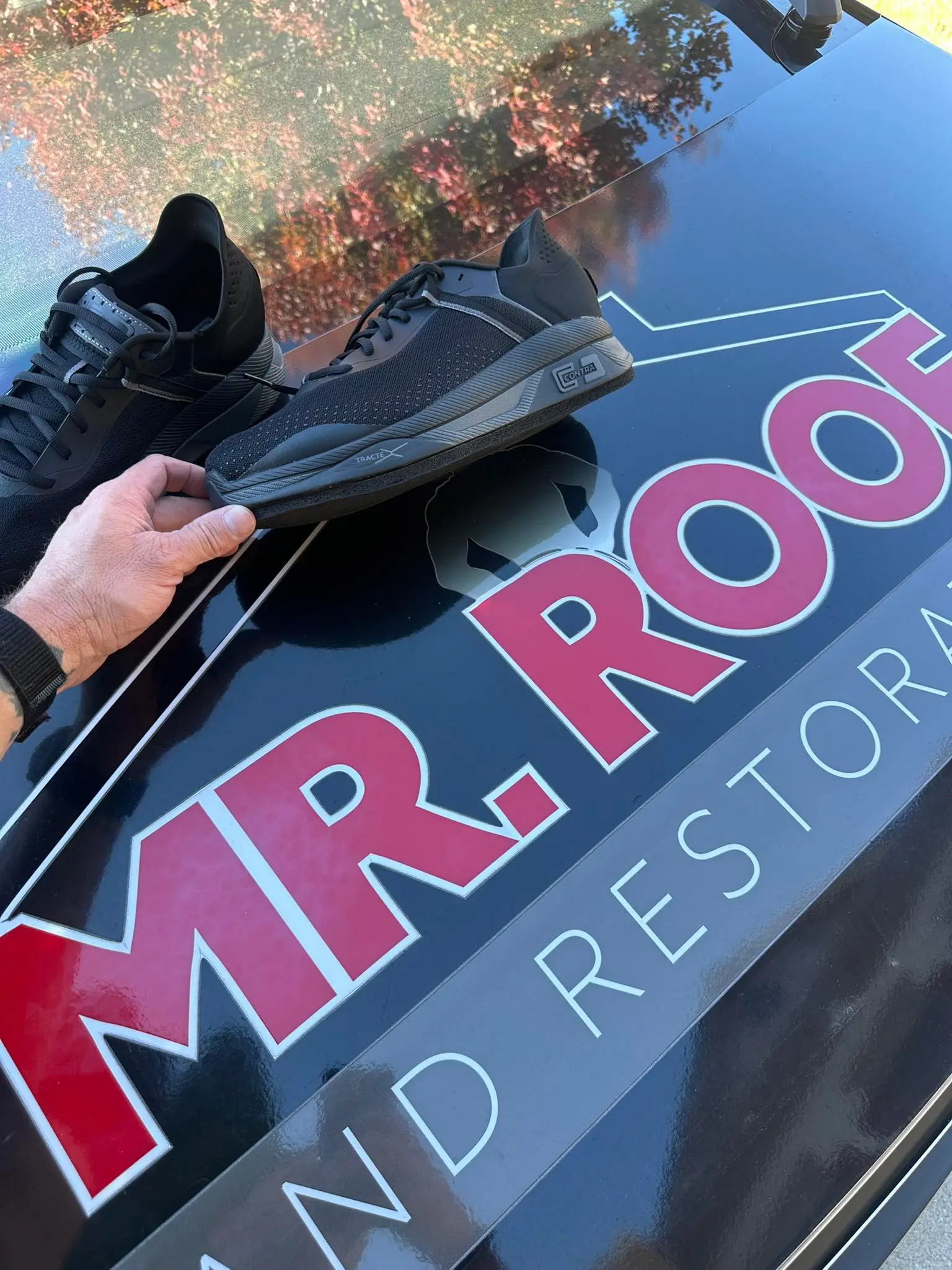
This is where Contra comes in — not as certified safety gear, but as performance footwear engineered for enhanced traction and mobility. With modular, high-friction outsole pads, Contra footwear helps professionals move with stability and comfort across changing job environments, from ground to rooftop.
⚠️ Safety Note: Contra shoes are not classified as Personal Protective Equipment (PPE) and are not a substitute for OSHA-required fall protection. Always use proper safety systems when working at height.
Good gear matters, but safe behavior matters more. A few timeless reminders for anyone working on roofs:
Inspect before stepping: Check the surface for loose materials, nails, or soft spots.
Use spotters when possible: Never work alone on high or complex roof systems.
Keep it tidy: Manage cords, hoses, and tools to prevent trip hazards.
Know your limits: Fatigue and rushing are two of the leading causes of roofing accidents.
Safety on the roof is everyone’s responsibility — from owners and foremen to apprentices. By pairing certified fall protection systems with reliable traction, careful preparation, and good judgment, professionals can greatly reduce risk and improve their quality of work.
At Contra, we design footwear for the people who keep our roofs standing — built for comfort, grip, and movement that keeps up with the demands of the trade.
Because when you feel secure underfoot, you can focus on what you do best: the work that stands above it all.
 SHOP NOW